Avoiding M&A Nightmares
Gabriel Marechal
6/8/20261 min read
Avoiding M&A Nightmares
“Wait… these numbers don’t match.”
That’s what the C‑suite heard mid‑sale when their buyer dug into the metrics behind a major M&A deal.
And the buyer slammed the brakes until they could see numbers that were provable, consistent, and most of all, accurate.
The obvious problem? A Salesforce instance held together with duct tape and a dream.
The real problem? No one had ever clearly defined how those metrics should be calculated in the first place.
Not as a slide in a board deck.
As the tactical blueprint for how your systems collect, calculate, and display your recurring revenue metrics.
The kind of questions that should be answered before you’re in a diligence room:
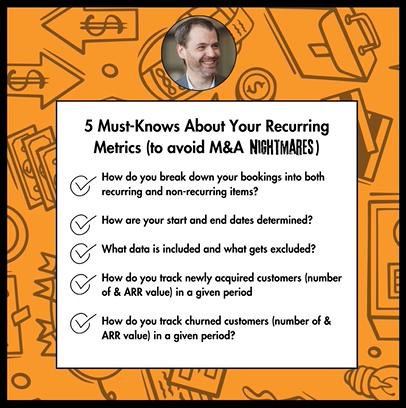
❓ How do you break down your bookings into both recurring and non‑recurring items?
❓ How are your start and end dates determined?
❓ What data is included and what gets excluded?
❓ How do you track newly acquired customers (number of & ARR value) in a given period?
❓ How do you track churned customers (number of & ARR value) in a given period?
RevOps gets treated like “the Salesforce person” way too often.
But the job is bigger than that.
You need People, Process, and Platform working in sync, and RevOps is supposed to be the function connecting those dots so your revenue data actually holds up under pressure.
So before you find yourself in a real‑life pressure cooker with investors or a potential acquirer, start interrogating your metrics and get your revenue data house in order.
And please: let RevOps lead the charge.
ForecaaS Software
The Recurring Revenue Specialists for Salesforce
Questions?
© 2025. All rights reserved.